17 August 2026
Wooden Liquor Box for Spirits Brands
A spirits bottle changes the box. The glass is heavier, the body is often square, and the stopper stands proud. That shifts the insert, the lid, and the board weight. This is what we adjust on a wooden liquor box so it holds a bottle the way it should.
What a spirits bottle does differently
Wine bottles are mostly the same shape. Tall, round, a neck you can grip. A spirits bottle is not that. You get squat square bodies, heavy bases, shoulders that drop straight down. The stopper does not sit flush. It adds height you have to plan for. A wooden liquor box starts with that shape, not with the wood.
Heavy glass loads the base. A 750 ml whisky bottle can weigh far more than a wine bottle of the same volume. Drop that into a box with a thin base and the first courier van will find the weak point. We see it happen. The base bows, the bottle shifts, the insert tears. That is why the board or wood under the bottle matters more than the lid.
Insert: hold the body, clear the stopper
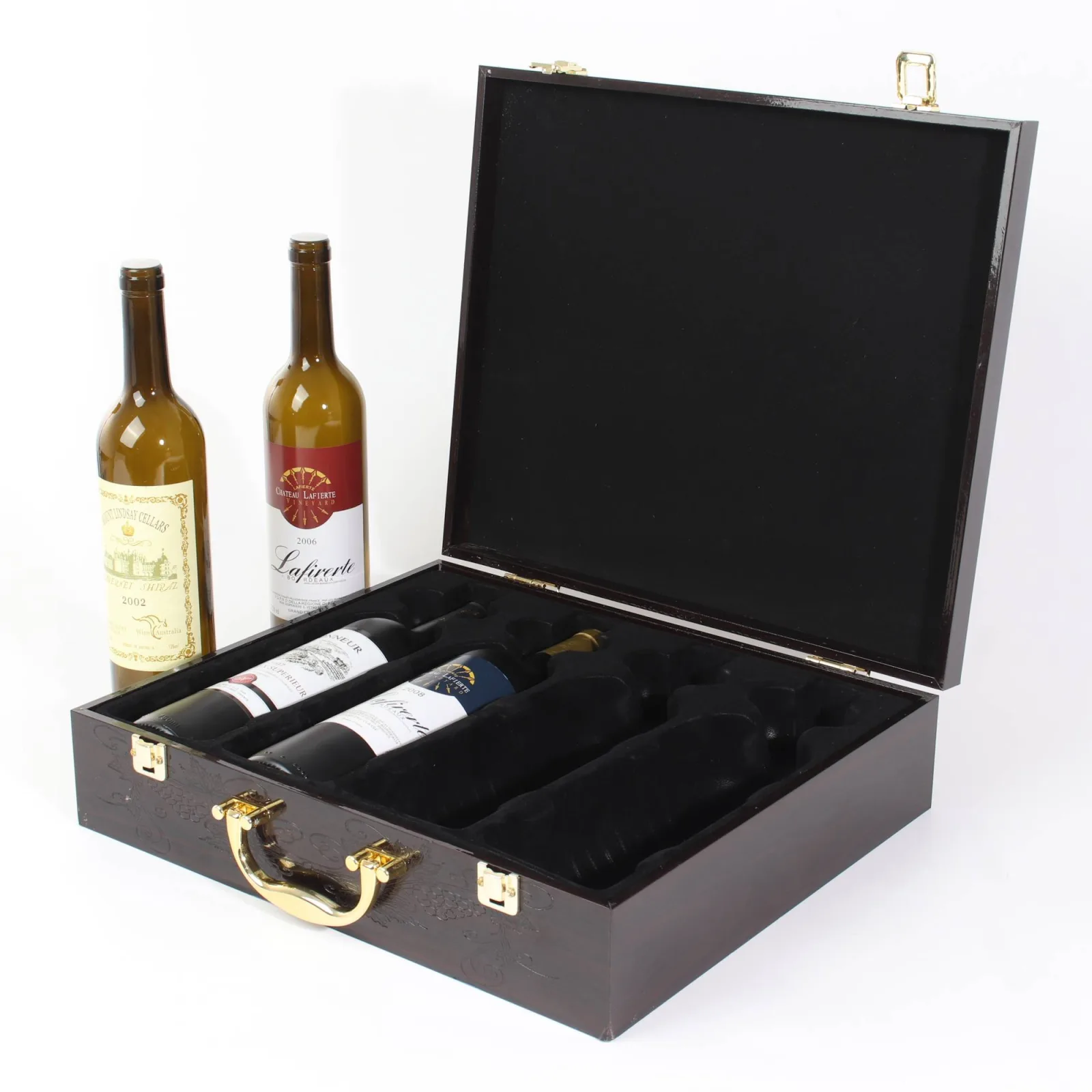
The insert has to do two jobs at once. Hold a square or shouldered body at four points, and leave the stopper untouched. Wine inserts often cradle the neck. That does not work here. A tall stopper means the lid cannot press down on it. So we use a two piece insert or a recessed lid. The bottle sits in a cavity that matches the body shape, and the stopper floats in clear space.
Our insert rule is simple. Four points of contact on the body. No unsupported neck or shoulder. Then we check it. Shake the closed box for 10 seconds, no movement. Tilt it 45 degrees, no slide. Invert it, no release. If a square bottle rocks in a round cutout, the insert is wrong. We recut it.
- Square bottles need a square or shouldered cavity, not a round wine cutout.
- A two piece insert lets the stopper stand clear of the lid.
- Shake, tilt, and invert checks catch a loose insert before it ships.
Lid style: lift-off beats sliding for tall stoppers
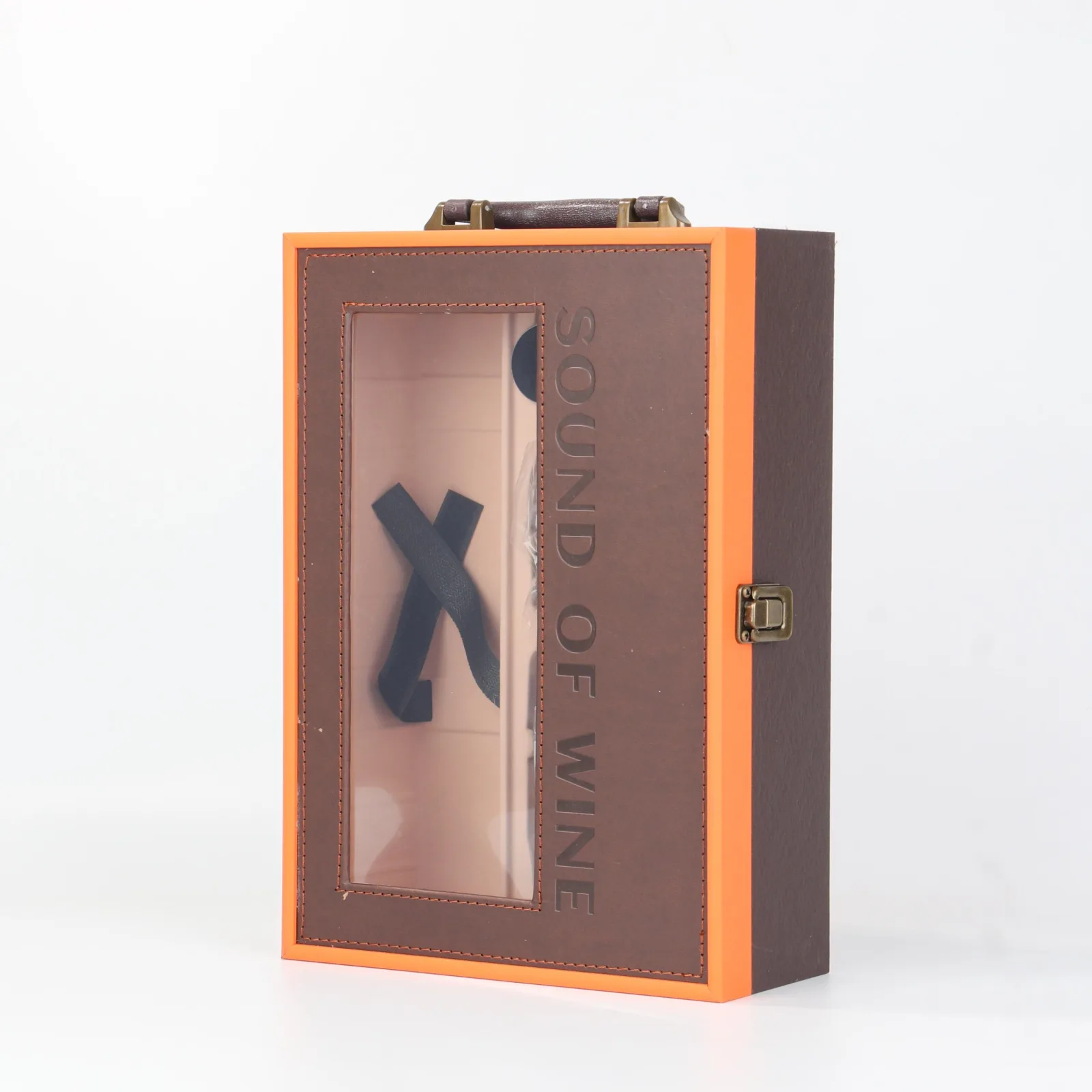
A sliding lid is fine for a flat wine bottle. It is not fine for a tall stopper. The lid has to slide over the top, so the stopper eats into the clearance. You end up with a box that is taller than it needs to be, or a stopper that scrapes. Lift-off and hinged lids present better. The bottle goes in from the top, the stopper stays clear, and the reveal feels more deliberate.
For a spirits gift box, that reveal matters. A lift-off lid on a wooden liquor box gives you a clean top surface for a logo. A hinged lid adds a bit of ceremony. Both are easier to fit than a sliding lid when the bottle is not a standard shape.
Board and wood: why 1400 g greyboard for spirits
When the box is board, not wood, the base has to carry the load. Wine boxes work with 1200 g greyboard. For spirits, we recommend 1400 g. The extra weight resists bowing under a heavy bottle. Facing paper stays at 157 g minimum, specialty or coated. No recycled greyboard, no high-moisture paper. Those fail under load.
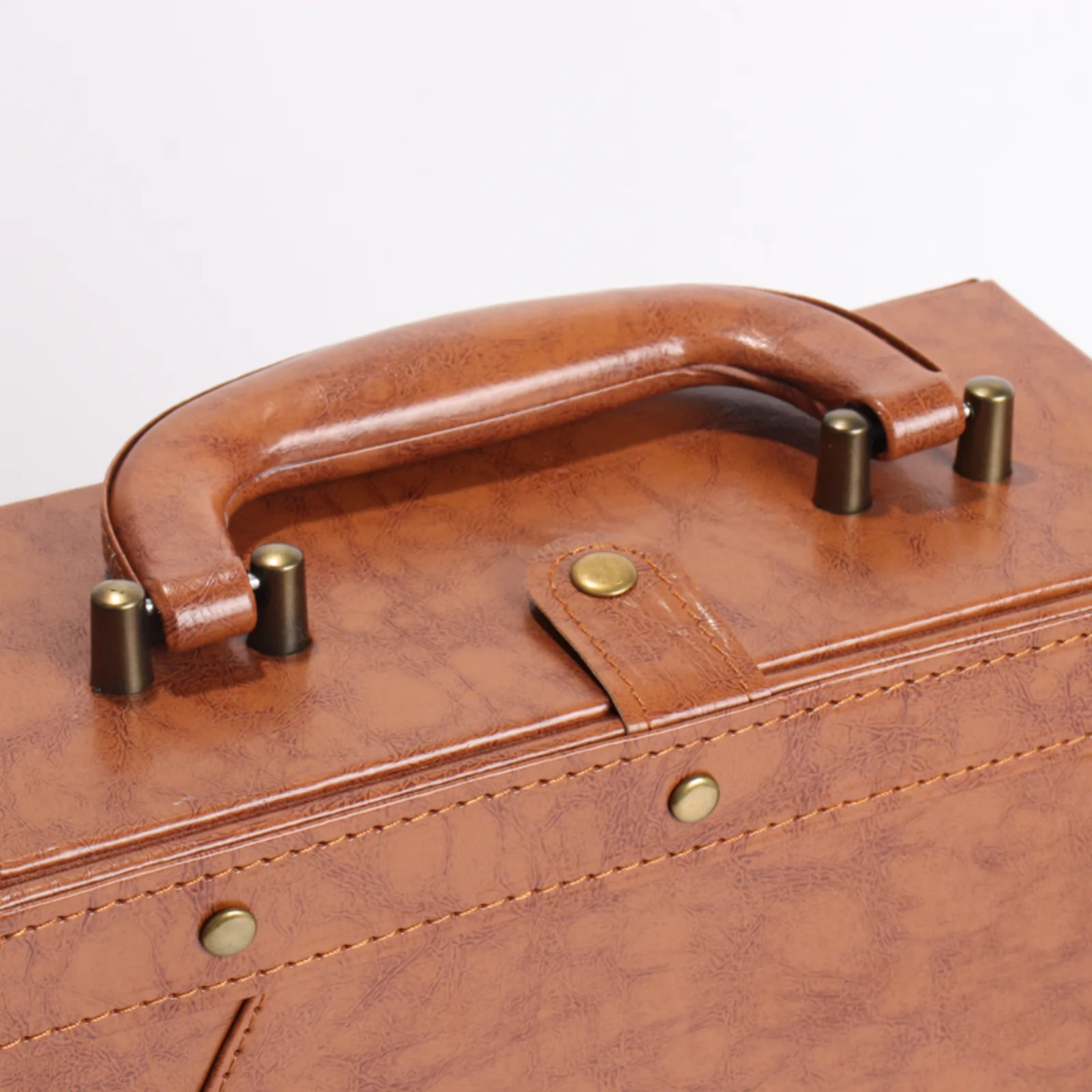
A wooden box has a different failure mode. The joints. A dovetail or finger joint that is not tight will open under a heavy bottle. We check the joints on every wooden box before finishing. If the joint is loose, the box is scrap. No amount of lacquer fixes a bad joint.
Solid wood is not always the answer. It costs more, it is heavier to ship, and it can move with humidity. If the brand is a retail display piece, wood is right. If it is a mass gift with a printed design, faux wood board or rigid board does the same visual job for less. We say that plainly. See solid wood wine boxes when the box is the gift. See faux wood wine boxes when the print is the gift.
Finish: engraving, lacquer, foil, embossing
Wood takes engraving and lacquer well. A deep engrave on a solid lid reads as permanent. Lacquer seals the surface and adds depth. On faux wood and board, foil and embossing do the same job. A blind emboss on a textured paper can look like tooled leather. You do not need wood to get a premium finish.
The finish has to survive the box being handled. A lacquer that chips at the corners looks worse than no lacquer. We test the finish on the same drop and vibration checks we use for the insert. If the finish cracks, it is not a finish. It is a problem.
Fit checks before you approve
Every wooden liquor box goes through our in-house checks before it ships. A 1.2 m six-face drop test with the bottle loaded. Stacking top load of 40 kg or more for 24 hours. Truck and sea vibration simulation, no internal movement. These are not optional. A box that fails the drop test will fail in a courier van.
Control tolerances are tight. Insert plus or minus 1 mm, box body plus or minus 2 mm. For foldable boxes, creases must not crack, magnet position plus or minus 1 mm, corners 90 degrees when erected. That is what keeps a square bottle from rattling.
To start, send box dimensions or a bottle sample, a reference design, quantity, and any special requirements. We make a blank sample for structure and a printed sample for visual. See how we control quality for the full list.
When wood is the wrong answer
Do not buy a wooden liquor box if the bottle is light, the run is huge, and the budget is tight. Board will hold a light bottle fine. Wood adds cost, weight, and shipping volume. If the box is a throwaway after opening, wood is waste. Buy it when the box stays on a shelf or a bar.
For a single bottle spirits gift, a rigid board box with a good insert and a foil logo often beats a cheap wooden box. The board is flat, the print is crisp, and the insert can be cut to the exact bottle shape. See the single-bottle spirits gift box page for that structure. For a soft presentation, a leather wine box can work, but the insert rule still applies.
Key points
- Cut the insert to the bottle body, not the bottle type.
- Use 1400 g greyboard for spirits when the box is board.
- Lift-off or hinged lids clear a tall stopper.
- Shake, tilt, and invert before you approve.
- Buy wood only when the box outlives the bottle.
Questions buyers ask
What is the best insert for a square spirits bottle?
A two piece insert cut to the body shape. The lower piece holds the base and shoulders at four points. The upper piece or a recessed lid leaves the stopper clear. We check with a 10 second shake, a 45 degree tilt, and an invert. No movement, no slide, no release.
Do I need a wooden box for a heavy whisky bottle?
Not always. A rigid board box with 1400 g greyboard and a tight insert will hold a heavy bottle. Wood is worth the cost when the box is part of the gift and stays on display. If the box is discarded after opening, board is the better spend.
How do you stop a tall stopper from hitting the lid?
We use a lift-off or hinged lid and design the insert so the stopper sits in clear space. The lid never rests on the stopper. For a sliding lid, we would have to add height, which makes the box clumsy. That is why we steer spirits brands away from sliding lids.
Send your bottle dimensions or a sample and we will quote the right wooden liquor box. Get a Quote
Put this on your bottle
Send the bottle sample or dimensions, quantity and a reference design. We reply with structure options and pricing.
- Email[email protected]