Wine Bags
Wine bags do one job well: they make a single bottle feel like a gift. If you sell bottles that go straight into a customer's hand, or you pack one bottle with a card and a ribbon, a bag is often the right call. It's lighter than a box, cheaper to ship, and easier to store. But not all wine bags are equal. The paper stock, the handles, the way the bottom folds, the print registration, all of it shows when someone picks the bag up.
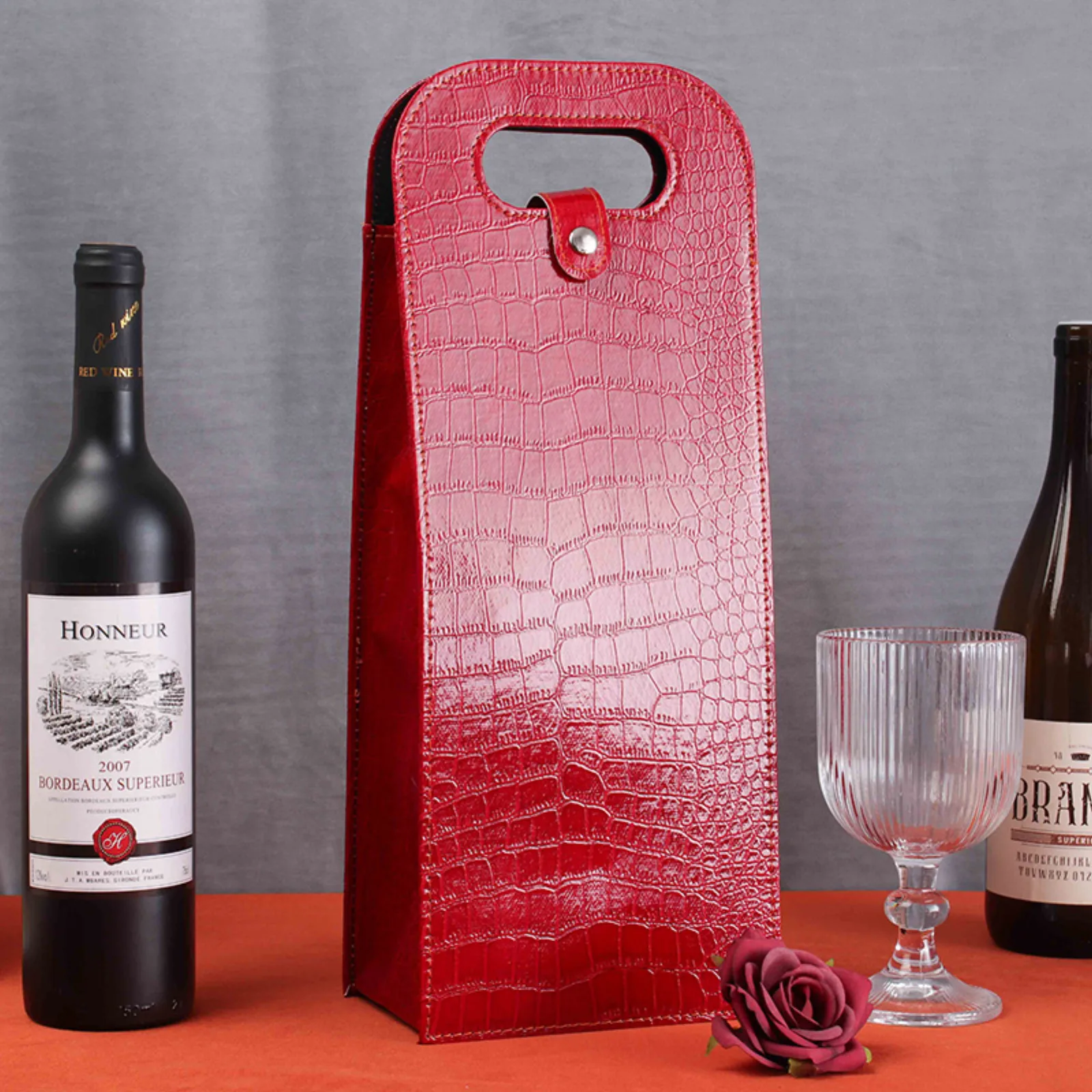
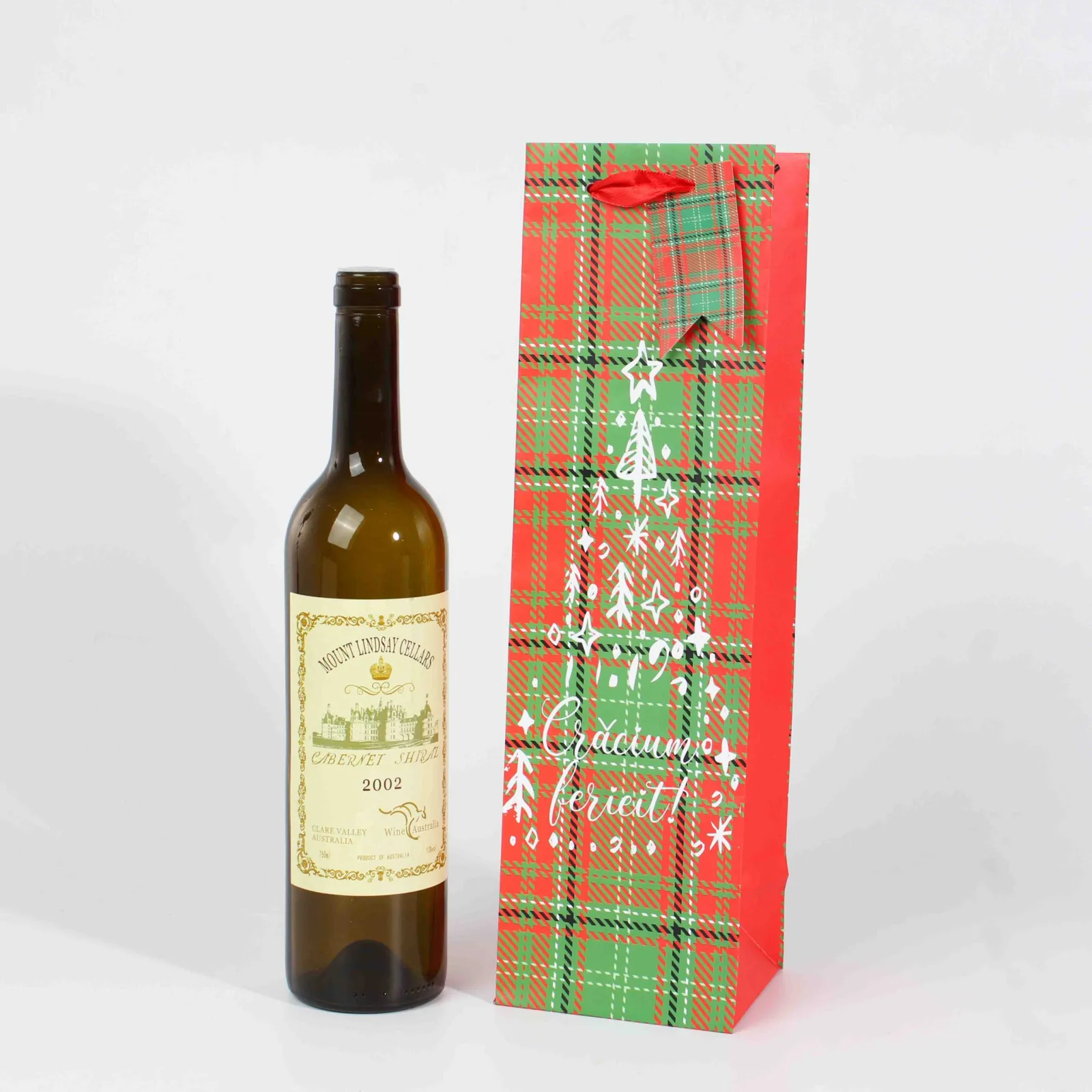
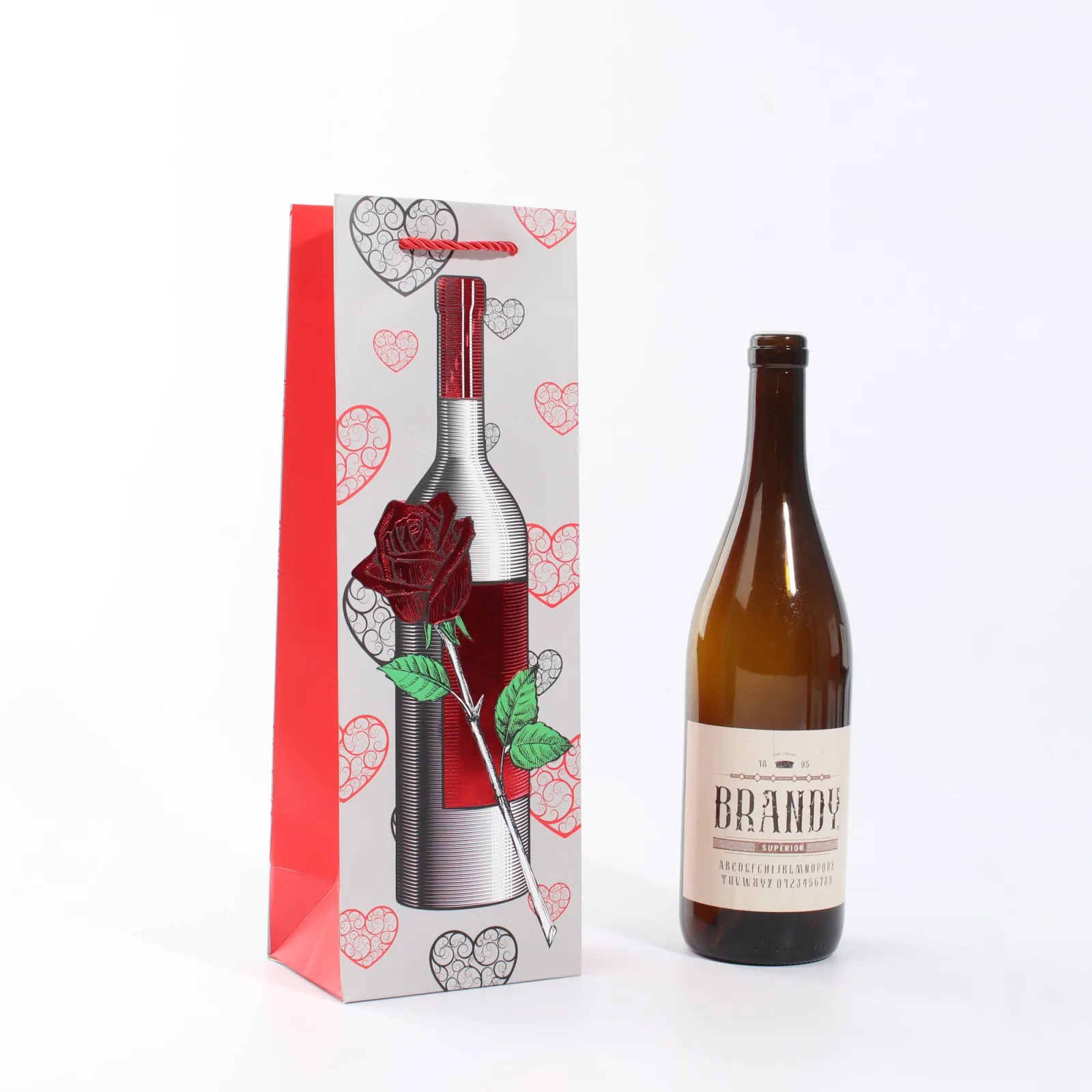
We make wine bags in paper, felt, linen and leather. Most orders are for one bottle, with a handle and your branding on the front. Some buyers want a simple kraft bag for everyday retail. Others want a foil-stamped black bag for a limited release. You'll see both ends of that range here. This page covers the category: what to choose, what to watch for, and what we control when we make them.
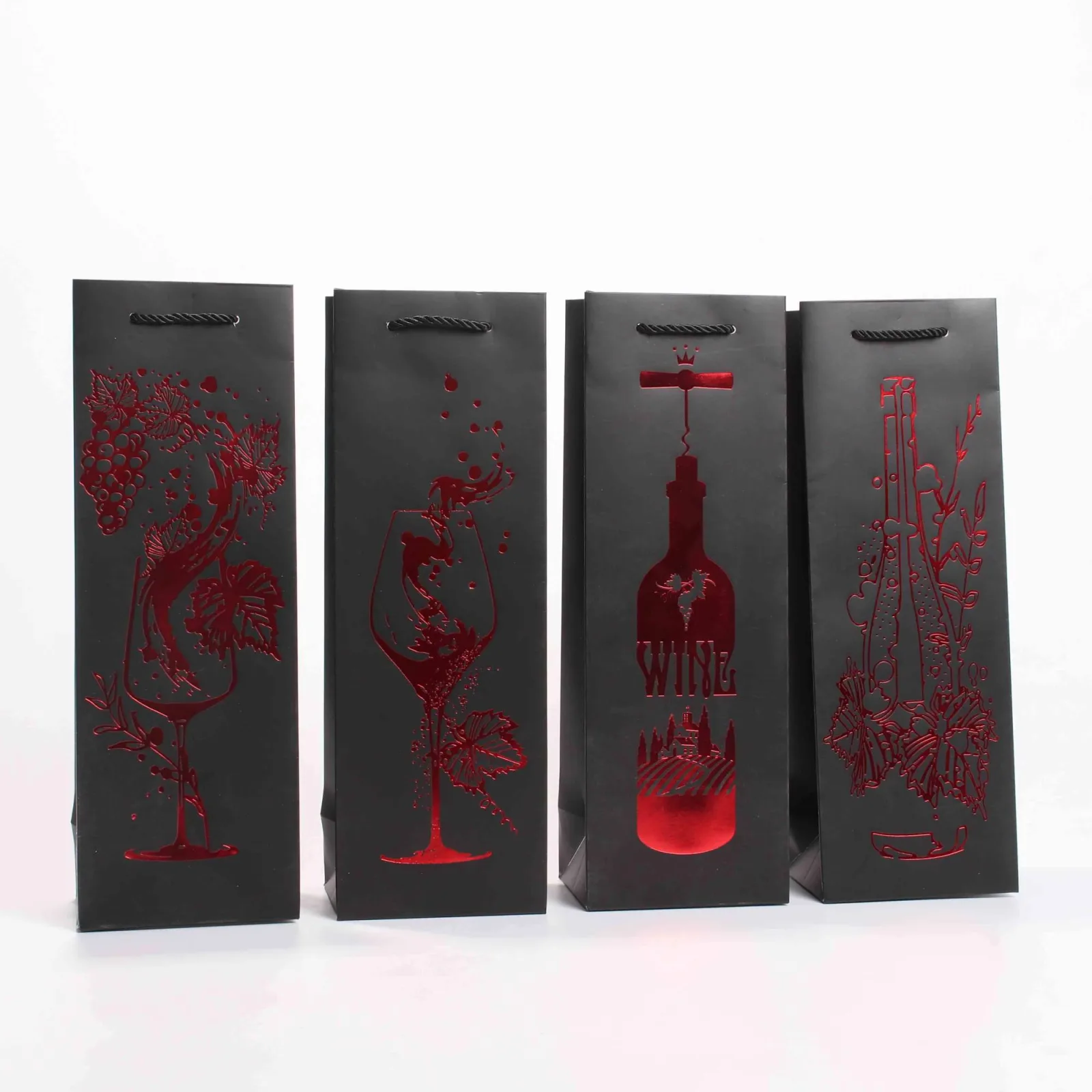
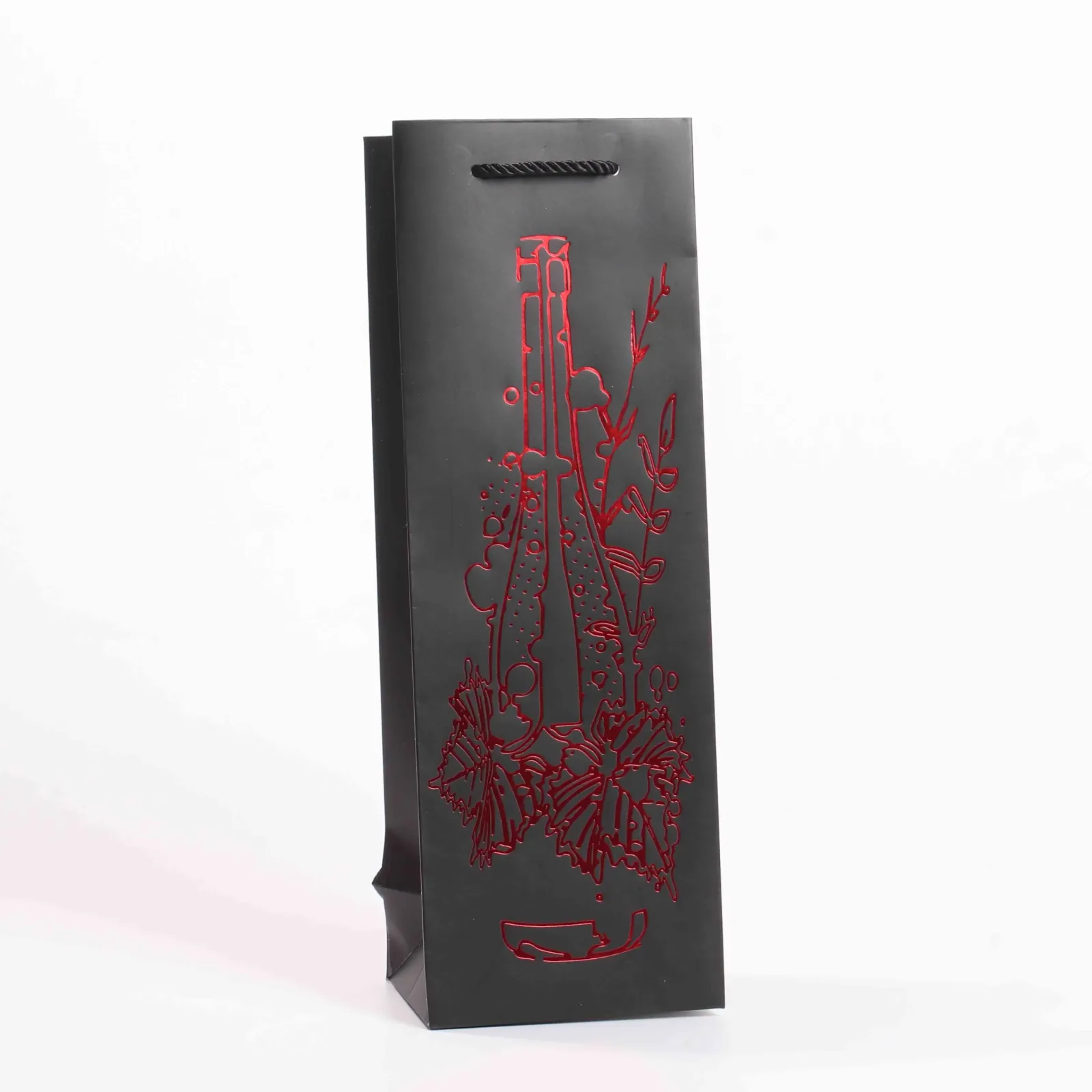
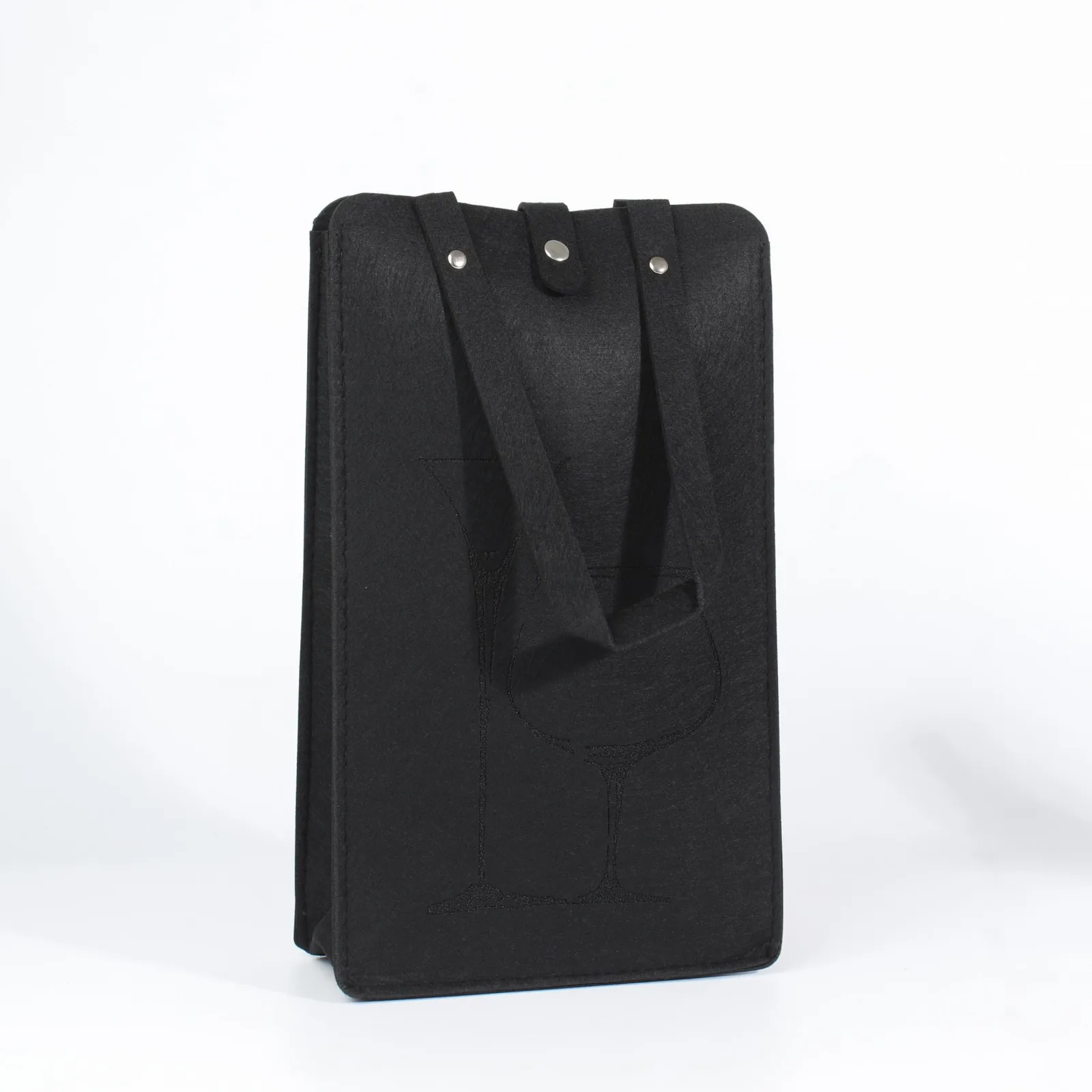
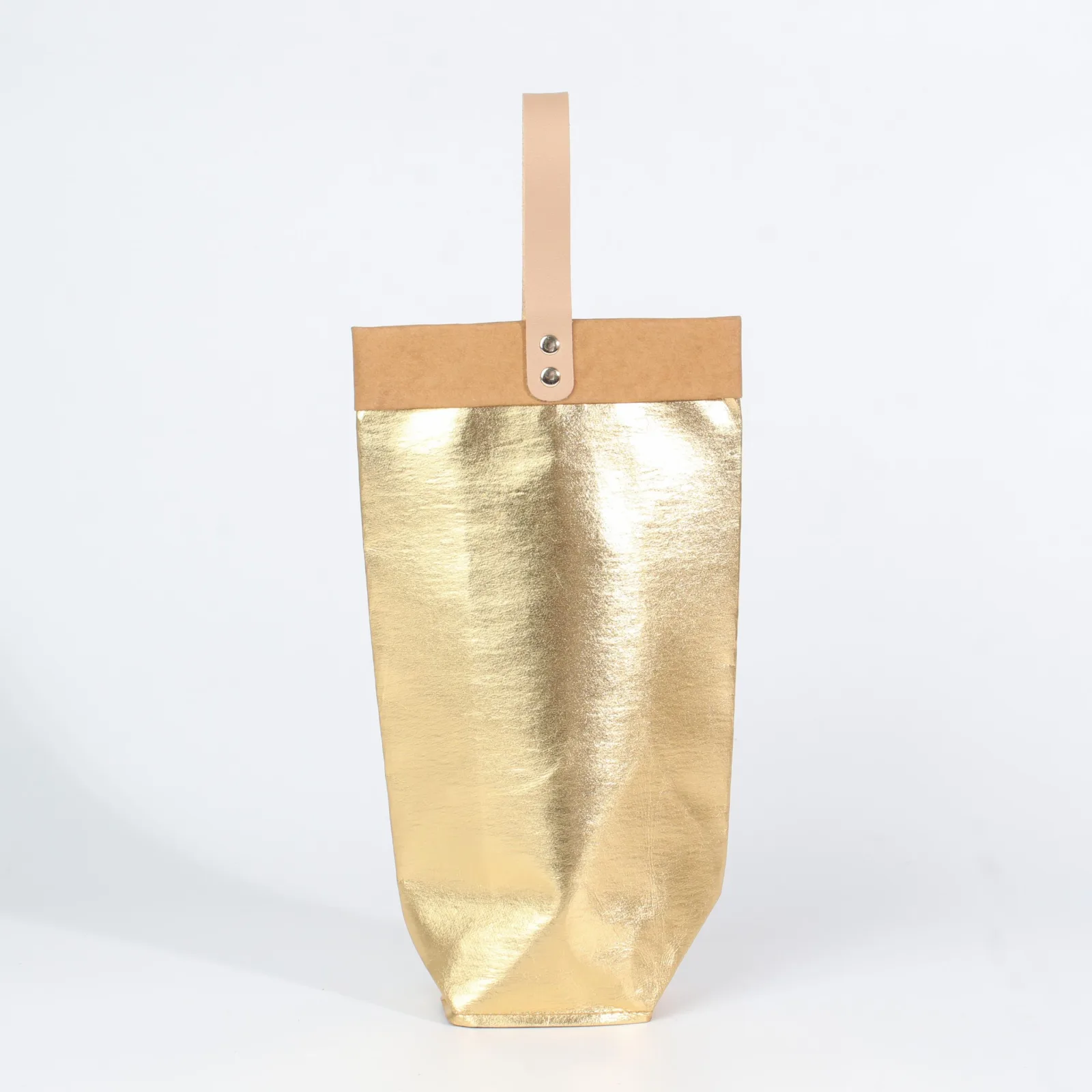
How to choose a wine bag
Start with the bottle. A standard 750 ml bottle needs a bag that's tall enough for the neck but not so wide that the bottle slides around. Measure the diameter at the widest point, usually the shoulder. Add about 10 mm on each side for a clean fit. If you're using a thicker bottle, like a Burgundy shape, go up a size. Too tight and the bag tears at the seam. Too loose and it looks sloppy.
Then pick the material. Paper is the workhorse: cheap, printable, available in kraft, white card, black card, or coated stock. Felt and linen feel softer and more premium, but they cost more and don't take fine print as well. Leather, or a good leather-textured paper, is for the top shelf. It's heavier, it smells different, it ages. Decide where this bag sits in your range. A budget bottle in a leather bag is a mismatch. A premium bottle in a cheap paper bag is a missed opportunity.
Handles are the third decision. Twisted paper handles are the default: cheap, strong, recyclable. Flat cotton or ribbon handles look better and feel better in the hand. Die-cut handles, where the bag itself is cut with a slot, are the cheapest option but they tear if the bag gets wet or if the bottle is heavy. For a single bottle, that's rarely a problem. But if your customer adds a corkscrew or a small gift, the load goes up. Think about the full package, not just the bottle.
Buyer questions
Can I order wine bags in different sizes for different bottle shapes?
Yes. We make each size to your bottle dimensions. Send us the bottle diameter and height, or ship a sample bottle. We'll build the bag around it. For a standard 750 ml bottle, one size usually works. For magnums or unusual shapes, we adjust the width and the gusset. The insert rule is the same for all sizes: the bottle should not slide or shift when the bag is shaken or tilted.
How do you handle custom wine bags for small runs?
We keep a flexible MOQ for custom orders. It depends on the material, the print method and the finishing. A simple kraft bag with one-colour print is different from a black card bag with foil stamping and a cotton handle. Tell us your quantity and we'll tell you what's practical. We make a blank sample first so you can check the structure, then a printed sample for the visual approval.
Do you make wine bags with a window or a special closure?
We can add a die-cut window, a ribbon tie, a magnetic flap or a tuck top. A window works well if you want the label to show. A ribbon tie is a nice touch for gift sets. But every extra step adds cost and time. We'll show you options that fit your budget. The bag itself is the packaging; the closure is part of the design, so we handle it in the same proofing process.
What we control in production
Paper weight matters more than most buyers think. A wine bag with a reinforced bottom needs a base board that won't buckle when the bottle drops in. We use greyboard at 1200 g minimum for the base insert, and the bag body is typically 157 g specialty or coated paper. The facing paper is what you see and touch. It's also what the foil or UV ink sits on. If the facing is too thin, the print shows through and the bag feels flimsy. We don't use recycled greyboard or high-moisture paper. Both cause warping and weak seams.
Colour is the other thing we watch closely. Black, deep blue and burgundy are the hardest to hold. They show every fingerprint, every speck of dust, every slight variation in the coating. We match to Pantone, approve a first article, and pull samples mid-run. For foil stamping, the registration has to be tight. A gold logo that's off by a millimetre looks like a mistake. Our control tolerance for the bag body is plus or minus 2 mm. For the fold lines, the creases must not crack when the bag is opened. That's a common failure with cheap bags: the fold splits and the bag looks used before it's even handed over.
Get a quote for wine bags
Send the bottle size or a sample, quantity and a reference design. We reply with structure options and pricing.
- Email[email protected]